
mirror cut to size
Types of Bore Gauges An In-Depth Overview Bore gauges, also known as bore micrometers or internal micrometers, are precision measuring tools used to measure the internal diameter of a hole or bore. They are crucial in various industries, including manufacturing, automotive, aerospace, and construction, where accuracy in measurements is vital for quality control and performance. Bore gauges come in various types, each designed for specific applications and measurement ranges. In this article, we will explore the different types of bore gauges, their features, advantages, and appropriate use cases. 1. Dial Bore Gauges Dial bore gauges are among the most commonly used types of bore measuring instruments. They work on the principle of trigonometry by employing a depth probe connected to a dial indicator, which shows the difference in diameter. This gauge typically features a dial readout that allows for easy visibility of measurement readings. Advantages - Simple to use and read. - Provides high precision and repeatability. - Suitable for measuring deep or shallow holes. Applications Dial bore gauges are widely used in mechanical engineering and manufacturing plants for checking the diameters of holes in various components such as engine blocks and automotive parts. 2. Digital Bore Gauges Digital bore gauges represent the evolution of traditional gauges by incorporating electronic circuits to provide digital readouts. These gauges can offer greater accuracy and features such as data storage and communication capabilities. Advantages - Easy to read with digital displays. - More accurate than traditional dial gauges. - Often include features for data logging and transfer. Applications Digital bore gauges are particularly useful in environments where data accuracy is paramount, such as in aerospace component manufacturing or when stringent quality control processes are enforced. 3. Mechanical Bore Gauges Mechanical bore gauges are a more traditional type that relies on a mechanical linkage system to measure internal diameters. They usually possess a series of interchangeable pins or anvils that extend inside the bore, allowing for precise contact measurements. Advantages types of bore gauge - Robust and durable with no electronic components. - Require no batteries or power sources . - Cost-effective for basic measurement tasks. Applications Often employed in workshops and construction sites where rugged, reliable tools are essential, mechanical bore gauges shine in scenarios where the measurement process is straightforward. 4. Satellite Bore Gauges Satellite bore gauges, also known as gauge blocks, are specialized tools used for measuring the diameters of large bores. They typically feature a series of interlocking, calibrated measurement units that can be adjusted to fit large diameters. Advantages - Ideal for large diameter applications. - Offers high accuracy in measurements. - Versatile for various bore sizes through interchangeable components. Applications Satellite bore gauges are widely utilized in industries such as industrial machinery manufacturing where oversized components are common. 5. Interchangeable Anvil Bore Gauges These gauges provide the flexibility of measuring various diameters by employing interchangeable anvils. Users can switch out the anvils to measure different hole sizes with high accuracy. Advantages - High customization for measuring different dimensions. - Accurate and reliable for a variety of bore sizes. - Cost-effective solution for multi-diameter measurement needs. Applications Interchangeable anvil bore gauges are perfect for machine shops that handle a wide range of components requiring different internal diameters. Conclusion In conclusion, the selection of a bore gauge type largely depends on the specific measurement needs, the environment in which it will be used, and budget considerations. From dial gauges known for their simplicity to advanced digital variants offering high-tech features, each type of bore gauge has its unique strengths and applications. Understanding these differences is essential for professionals aiming to achieve precision and improve product quality in their respective fields.
about
mirror cut to size
The Versatility of a 36-Inch Level with Ruler A Critical Tool for Precision When it comes to construction, woodworking, and various DIY projects, the tools we use can significantly impact the quality and precision of our work. Among these tools, the 36-inch level with ruler stands out as a quintessential instrument that marries functionality with versatility. This article explores its importance, uses, and benefits, making it clear why this tool deserves a spot in every craftsman’s toolkit. Understanding the 36-Inch Level A 36-inch level is a long, straight tool designed to determine whether a surface is level (horizontal) or plumb (vertical). Traditionally made from durable materials like aluminum or wood, the level features vials filled with liquid that indicate the position of the tool relative to gravity. The addition of a ruler along one edge further enhances its utility, offering measurement capabilities that save time and improve accuracy. Essential Uses in Various Projects In construction, ensuring that structures are built on a level plane is paramount. Whether laying foundations, installing cabinets, or affixing shelves, the 36-inch level is indispensable for obtaining a properly aligned result. Its length allows it to span larger surfaces, making it ideal for measuring and leveling wide beams or long runs of material, which would be more cumbersome with shorter levels. Woodworkers appreciate the 36-inch level not only for leveling but also for checking the accuracy of cuts and alignments. When building furniture or creating intricate joinery, a level helps eliminate errors that could lead to instability or aesthetic issues. The ruler also serves as a guide for marking measurements while ensuring that both distance and levelness are maintained during the crafting process. The Advantages of the Ruler Feature Incorporating a ruler into the level maximizes its efficiency. It allows users to measure distances precisely when leveling items, negating the need for a separate measuring tape in many situations . This is particularly useful when working in confined spaces where pulling out a longer tool could be impractical. 36 inch level with ruler Moreover, features like marked increments help users quickly gauge the height or depth needed for a project. Whether you’re installing kitchen cabinets or hanging artwork, the 36-inch level with a ruler streamline your workflow, ensuring that measurements are consistent and reliable. Enhancing Accuracy and Reducing Errors The combination of a level and ruler significantly reduces the margin for error in any project. An uneven surface can lead to critical issues, from structural weakness to visual misalignment. By regularly utilizing a level, craftsmen can catch discrepancies early, correcting them on-site before they evolve into larger, more costly problems. The ease of use that a 36-inch level offers with its simple operation means that both professionals and amateurs alike can achieve high standards of accuracy. The tangible peace of mind that comes with knowing your project is level cannot be overstated. It instills confidence, allowing builders and DIY enthusiasts to focus on creativity rather than fretting over basic alignment issues. Portable and User-Friendly Design Most 36-inch levels are lightweight yet robust, making them portable and easy to handle. Some models even offer additional features, such as magnetic edges for enhanced stability when working with metal surfaces or carrying handles for ease of transport. User-friendly designs ensure that even those new to construction or woodworking can effectively and comfortably use a level. The clear readability of the vials and the ruler measurements means that anyone can achieve professional-level results with practice. Conclusion The 36-inch level with ruler is not merely a tool; it’s an essential ally for anyone looking to craft with precision. Its dual functionality allows for accurate leveling and measuring, significantly enhancing workflow efficiency and reducing error. Whether you are a professional contractor, a dedicated woodworker, or an enthusiastic DIYer, incorporating a 36-inch level with a ruler into your toolkit will undoubtedly elevate your craftsmanship. Investing in this versatile tool may seem simple, but the quality of your work will reflect the details it helps you to perfect. In woodworking and construction, precision matters—make sure you have the right tools at your side to support your vision.
-

High quality industrial productsagement

High quality industrial products
View Details -

Meet the diverse needs of customers

Meet the diverse needs of customers
View Details -

Strict quality control

Strict quality control
View Details -

Top raw materials

Top raw materials
View Details -

Trusted supplier

Trusted supplier
View Details
Our application

news and information
y strainer flange type
Understanding Y Strainer Flange Type An Essential Component in Fluid Systems In the realm of fluid m

Válvulas de compuerta y globo
Válvulas de compuerta y válvulas de globo Una comparación Las válvulas son componentes esenciales en
Využití paralelního pravítka v různých oborech a jeho výhody
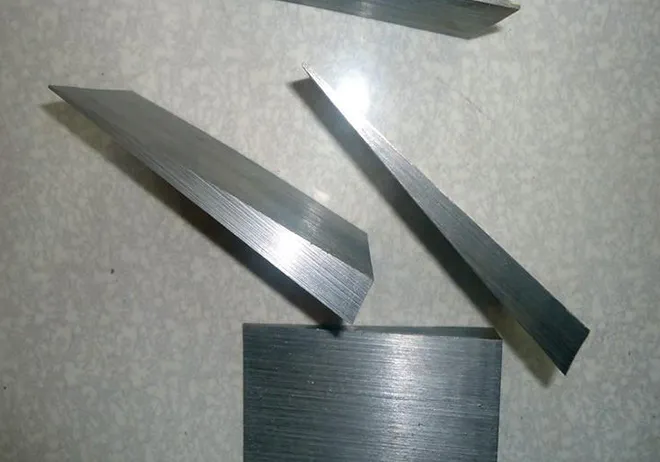
Použití paralelních pravítek v praxi Paralelní pravítka jsou jedním z nejoblíbenějších nástrojů mezi
 English